Stainless Steel Steamer Pot Ultimate Buying Guide for Importers & Brands
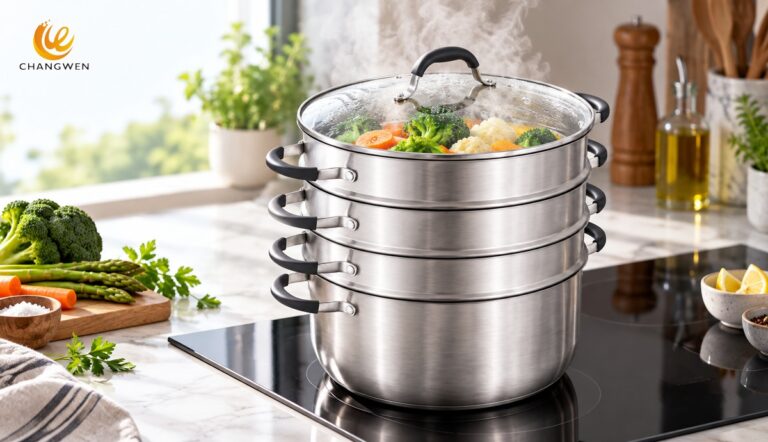
A B2B buying framework for stainless steel steamer pots: tiers, usable capacity, material specifications, sample approval, compliance, packaging and comparable quotes.


A B2B buying framework for stainless steel steamer pots: tiers, usable capacity, material specifications, sample approval, compliance, packaging and comparable quotes.
Compare 304, 316, and 430 stainless steel cookware by component, corrosion exposure, induction design, landed cost, and sample verification.
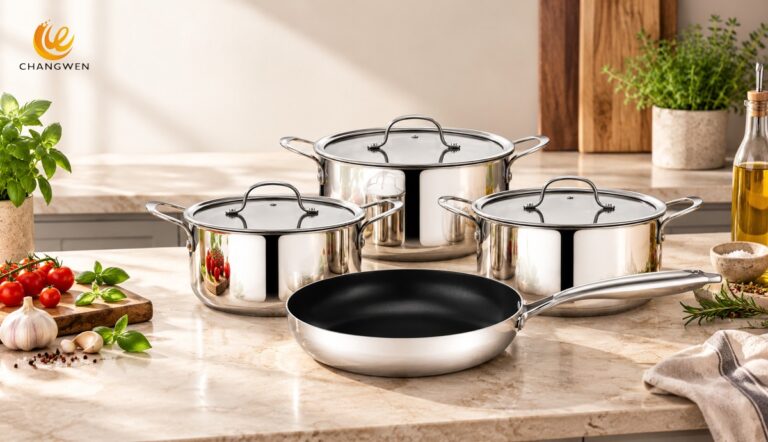
Compare stainless steel cookware set piece counts, vessel configurations, and entry, core, and premium price tiers for wholesale and private label buying.
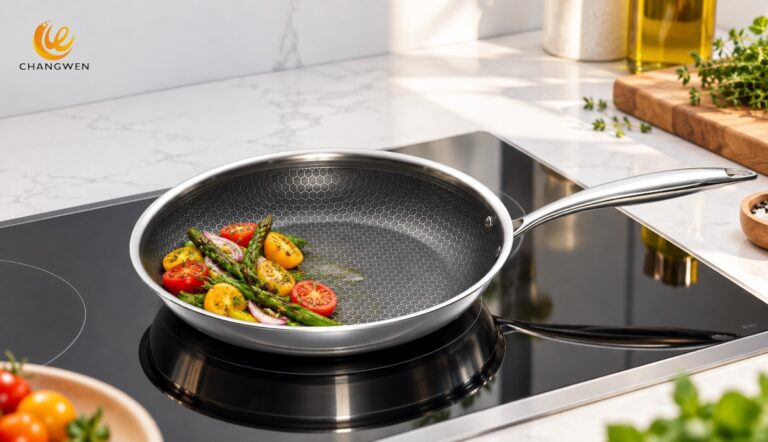
A practical honeycomb cookware buying guide for importers and private-label brands: identify surfaces, verify claims, compare samples, and set bulk-order acceptance criteria.
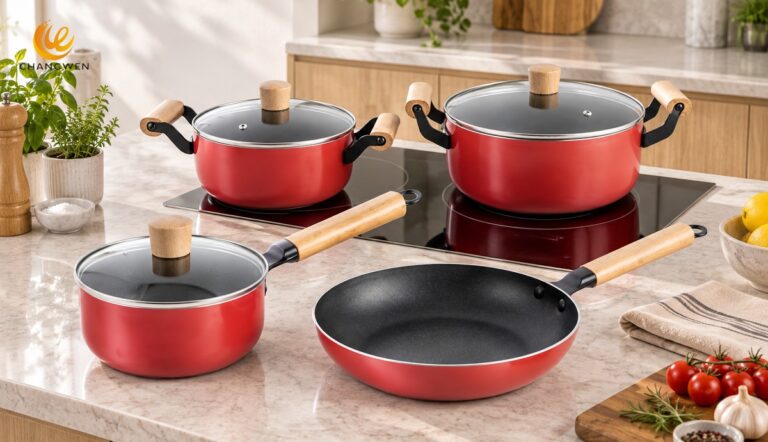
A practical B2B guide to specifying nonstick aluminum cookware, from body construction and coating claims to induction performance, durability tests, packaging, and batch acceptance.
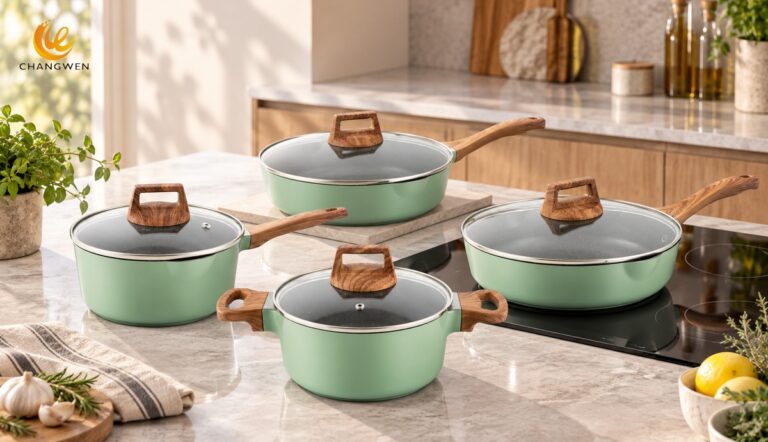
A practical B2B guide to specifying and inspecting die cast aluminum cookware, from casting design and porosity to coatings, induction bases, handles, packaging, and supplier quotes.
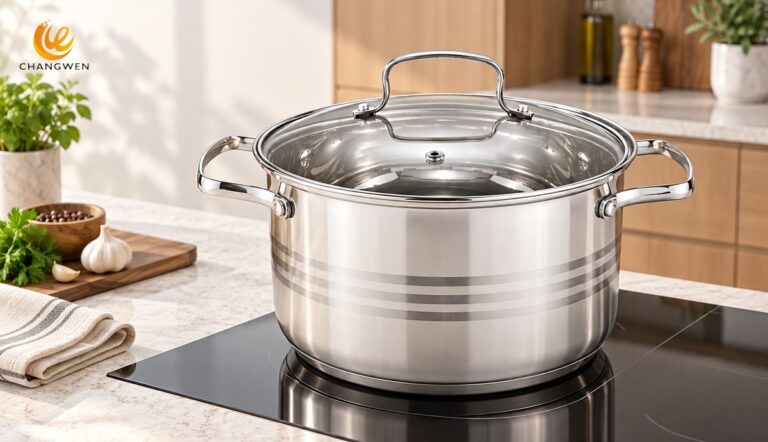
A practical B2B guide to specifying capsule bottom cookware by core construction, bonding, coverage, flatness, induction performance, testing, and quality control.
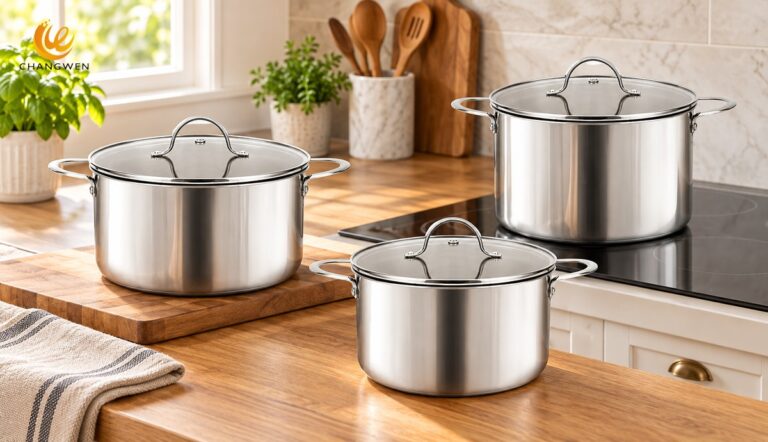
A task-first guide to choosing stainless steel cookware by vessel shape, usable size, construction, cooktop compatibility, handling, and verifiable quality.
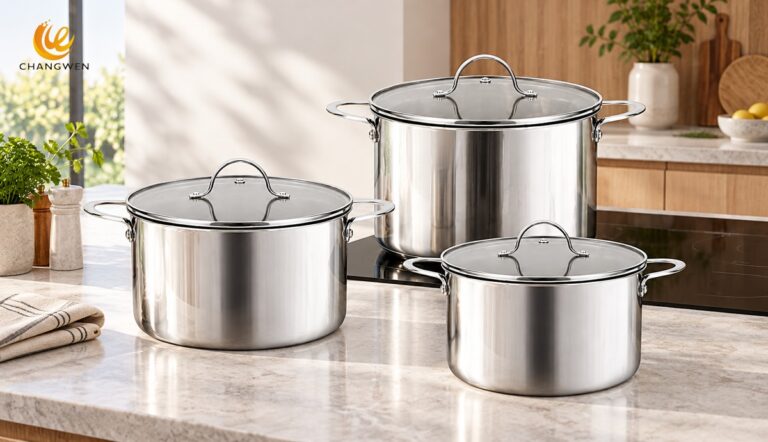
An evidence-led buying guide to tri-ply stainless steel cookware, covering layer verification, pan selection, heating tests, induction, inspection, and OEM approvals.
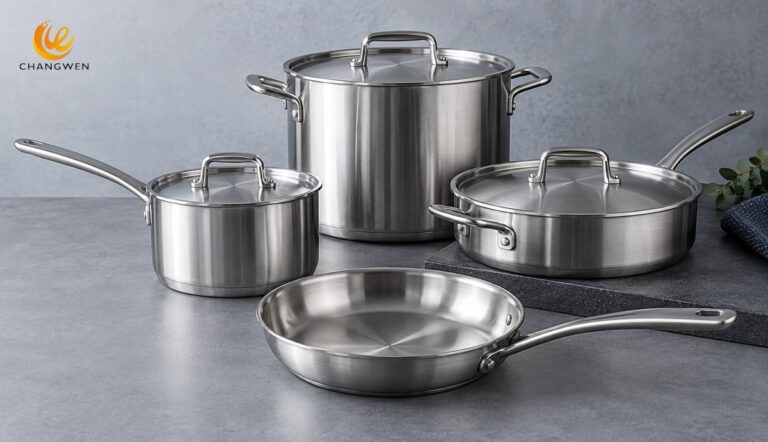
A practical framework for importers and private label brands to compare stainless steel cookware specifications, samples, testing, packaging, costs, and production controls.
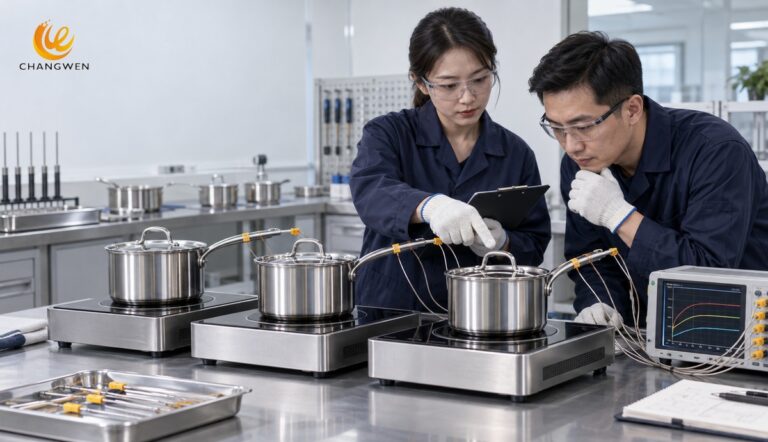
Compare stay-cool cookware handles with a repeatable test covering probe positions, heat sources, controlled variables, metrics, and thermal cycling.
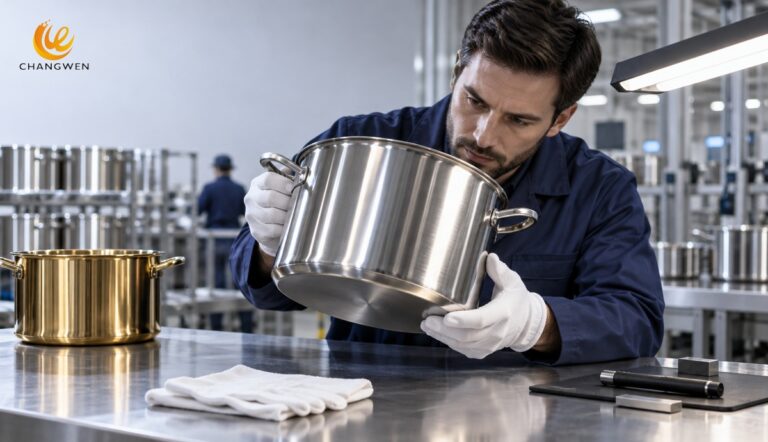
Identify cookware polishing defects such as waves, burn marks, drag lines, and pits, then trace causes, set acceptance limits, and control rework.